Senior US lawmakers have underlined that India, not Pakistan, sits at the heart of Washington’s long-term strategic thinking, particularly in the Indo-Pacific region.
Speaking in Washington, they said recent diplomatic engagement with Pakistan should not be mistaken for a shift in America’s strategic priorities. India, they stressed, continues to be the United States’ key partner across administrations and sectors.
Advertisement
US outreach to Pakistan is not a strategic shift
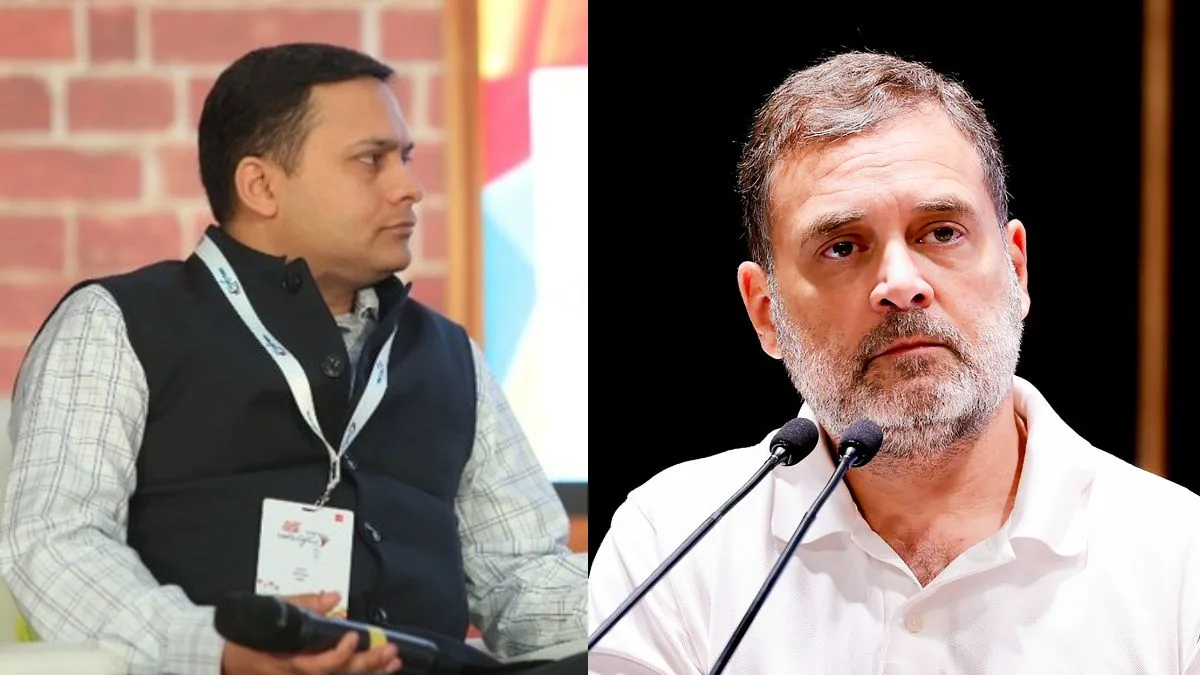
At a discussion hosted by the Center for Strategic and International Studies (CSIS), Congressman Ami Bera addressed concerns raised in New Delhi over recent political signals from Washington.
“We’re not creating a strategic partnership with Pakistan,” Bera said, pushing back against perceptions created by recent political rhetoric.
He acknowledged that comments from US leaders can sometimes cause unease in India. Referring to a recent diplomatic phase, he said, “The President made some comments about Pakistan, had invited Pakistani leaders into the Oval Office.”
Bera, however, said such engagement should be seen in context and not as a change in long-term alignment.
Why Washington sees India as central to its global strategy
Bera pointed to economic reality as a clear indicator of where US priorities lie. “You don’t see American companies making multibillion-dollar investments in Pakistan. That’s all happening in India,” he said.
He added that Washington is focused on the long term. “We’re playing the long game,” Bera said, noting that global business communities understand where US strategic engagement is headed.
Congressman Rich McCormick echoed that view, describing India as essential to future global stability.
“There is no more important friend that we’re going to need for the future of not just the United States and India, but for the entire stability of the world, than India,” McCormick said.
The lawmakers said Pakistan does not figure prominently in Washington’s long-term Indo-Pacific framework, which increasingly prioritises democratic partners, economic integration, and shared values.
Bera noted that India’s role has remained consistent over decades. “If you go back to the Clinton administration, through the Bush administration, through Obama, to Trump 1.0, to Biden, India’s been very key to our whole Indo-Pacific strategy,” he said.
McCormick also highlighted shared values as the foundation of the partnership. “The commonality we have in the way we look at economics and freedom and advancement of a people,” he said.
While acknowledging India’s independent foreign policy choices, McCormick said Washington recognises New Delhi’s domestic priorities. “He’s doing it for the best interest of his country,” he said, referring to India’s approach to energy security and economic growth.